

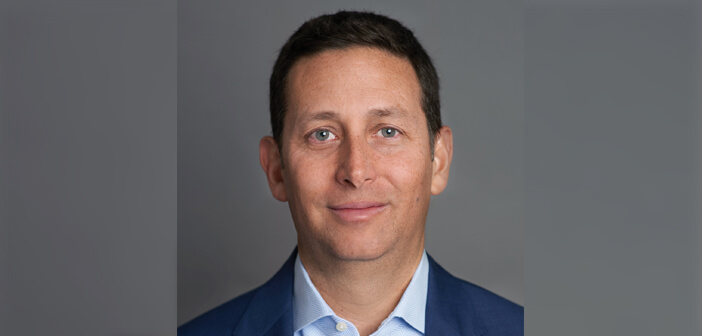
With tariff uncertainty, deal challenges and wavering consumer sentiment, the hotel industry has had an uneven year. Hotel Business spoke with Michael Evans, president, Marcus Hotels & Resorts; DJ Rama, CEO, Auro Hotels; and Conner White, vice chair/chief investment officer, White Lodging, to get their take on the year so far, the challenges faced and where we are going.
—Gregg Wallis
How has 2025 been so far?
Evans: While it has been a challenging operating environment for the industry, I’m very pleased with how things are going. Our portfolio continues to perform well and grow year-over-year. Certainly, this is in part due to the investments we continue to make in our hotels.
In the past six years alone, we have invested more than $160 million in our properties. We recently completed major renovations at both The Pfister Hotel and Grand Geneva Resort & Spa, and we are in the final stages of the most extensive renovation in our company’s history at the Hilton Milwaukee. The recently completed guestroom renovation has transformed the experience for convention goers and other visitors, and the soon-to-be-completed enhancements to the hotel’s meeting spaces, lobby and lounge will further solidify the Hilton Milwaukee as the leading convention center hotel in the market.
We are also excited about a new addition to our golf offerings at Grand Geneva, with construction of a new short course well underway.
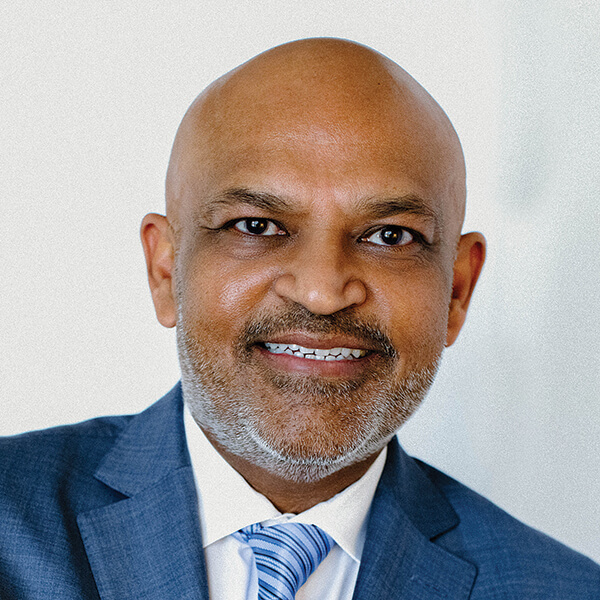
DJ Rama, Auro Hotels
Rama: It’s been a mixed bag so far. Tariffs have made us reassess how we purchase FF&E and process/schedule of completing PIPs/renovations. However, brands have been understanding of the uncertainty and displayed a willingness to work with owners. Transient demand has also remained resilient despite some expectations that it would slow down in 2025.
White: We’ve had a busy 2025. We’re focused on ramping our two newest hotels that opened in 2024: the Plaza San Antonio Hotel & Spa and Kimpton Santo San Antonio. Both are located in San Antonio.
We continue construction on Hotel Trinity (Autograph Collection) in Austin, which broke ground late last year and is scheduled to open at the end of 2026. We are in the final design step on an exciting hotel in the South End neighborhood of Charlotte and hope to break ground in approximately 12 months. We are also at the final stages of prep to start construction on a 103-room expansion of our Westin Austin at the Domain.
Lastly, we have a large-scale hotel development in Nashville that is construction-ready; given the scale, we decided to pause until there’s more economic certainty and clarity around tariffs. In addition to new-builds, we have significant reinvestment in our current assets through renovations at some of our biggest hotels, including the JW Indianapolis, JW Austin, Westin Austin Downtown and Westin at the Domain.
We have had the opportunity to look inwards and do some fun value-add things with current properties. For example, we constructed a “glamping” experience at Brush Creek Ranch in Saratoga, WY, complete with yurts, horses and outdoor dining along the Platte River. We are also currently under construction on a flagship steakhouse at our JW Marriott in Indianapolis called Dean’s Steak and Seafood. It’s a homage to my late grandfather, Dean White, and his love for his home state of Indiana. It’s our most ambitious F&B build-out to date, so there’s a lot of internal excitement (and nervousness) about it.
Lastly, we have increasingly been evaluating strategic existing property acquisitions and accretive third-party management opportunities in key markets.
Will you purchase new properties? Are you buying existing properties or are you building new ones? Why?
Evans: The deal market continues to be challenging, and there tends to be a bid-ask spread between buyers and sellers. But there are some deals out there, and we are actively evaluating a number of investment opportunities to strategically grow our company.
One interesting angle is the opportunity for us to expand our Saint Kate – The Arts Hotel brand. This concept was born six years ago in Milwaukee and has been very successful as a destination for transient travelers and groups, as well as the local community. We think we have something special with this brand and are carefully considering how we can bring that experience to other markets. In the end, we have a very entrepreneurial mindset, and there are lots of ways we can achieve growth—through outright acquisitions, as an investment fund sponsor, JV partner, through third-party management agreements or even building new.
Rama: We are always open to new opportunities at an attractive basis in our core markets. While those are hard to come by these days, we have focused on value-add adaptive reuse such as office buildings where we can buy the land/building at a discount and convert to a premium hotel.

Conner White, White Lodging
White: We will continue to be opportunistic and look for both land and existing property acquisition in strategic markets. Given the current challenges around new construction, including costs and financing, we’re focused more on existing hotel acquisitions than we historically have been.
What is your biggest concern right now?
Evans: The hospitality industry relies on individuals and businesses having the budget to travel, and so the biggest risk to our business is any weakness in the overall strength of the U.S. economy. That being said, I am an optimist, and I believe that we will successfully navigate the current bit of economic uncertainty that exists. In addition, I am comforted knowing that we are strong experienced operators and are adept at scaling our operations to maximize revenue and profitability while delivering a consistently outstanding guest experience.
Rama: They include economic uncertainty around tariffs; potential slowdown in consumer spending; debt service coverage tests given interest rates have remained elevated longer than expected; and increasing labor costs.
White: Our biggest concern right now is on the new development side. City- and state-funded projects (i.e., massive stadium and mixed-use developments), data centers and federal infrastructure builds continue to drive up construction prices in many markets. Additionally, RevPAR is relatively stagnant, and operating expenses continue to rise. Eventually, the muted supply pipeline should cause RevPAR to grow, but it will take some time.
I am also perpetually concerned about the rise in the cost of housing in desirable urban markets (and we do business in a lot of them). Even though this is not specifically to do with hotels, it directly impacts our associates and their quality of life. Luckily, there are some small signs of progress. Our largest concentration of hotels is in Austin, and the city, state and local community have collectively taken a lot of action to cause rents to fall over the last three years. We are hoping other cities take notice and create similar momentum.
What are you forecasting for the rest of the year?
Evans: Naturally we would like to see improved consumer sentiment, but we also have confidence in the resilience of our industry and our company. Despite discouraging headlines, travel remains near the top of discretionary spending, and group bookings continue to grow. So, we remain optimistic. This year, our parent company, Marcus Corporation, is celebrating its 90th anniversary. While we started out in the movie theatre business, over time the company grew its portfolio to become a leading owner and operator of high-performing hotels and resorts, as well. Milestones like this serve as an important reminder about the enduring value of our company and mission. This is a company that operated through world wars, economic collapses, cultural shifts and more. For me, it’s gratifying to help carry forward such a strong legacy of entrepreneurism and excellence.
Rama: We are expecting a minor year-over-year RevPAR increase at our Southeast hotels through resilient transient demand and a recovery in group business at our full-service hotels. Margin erosion continues to weigh on the bottom line.
White: We’ve seen a distinct increase in pipeline activity over the last 45 days. We think this will continue to build into second half of the year, at least for existing property acquisitions and creative dealmaking.
