

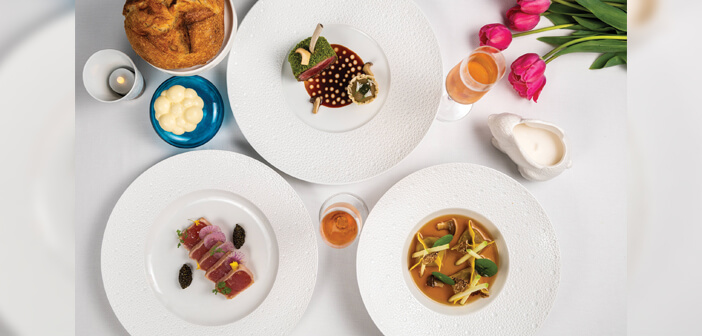
The culinary landscape is constantly evolving, with new flavors, techniques and experiences that shape dining habits and expectations seemingly arriving every day. From unique takes on familiar foods to experiences that engage all the senses, the hotel food scene is embracing creativity and innovation to keep guests coming back for more.
Hotel Business sat down with Chef Stephen Toevs, senior director of culinary, U.S. and Canada, Marriott International, to explore the food trends he sees taking over menus this year.
Dry-aged vegetables
While dry-aging has long been a technique associated with meats, 2025 is introducing a surprising twist: dry-aged vegetables.
“It’s a completely different approach,” said Toevs, referring to how vegetables like root vegetables and mushrooms are aged in controlled environments to concentrate their flavors. This method, while still experimental, enhances the umami—a Japanese term meaning “pleasant savory taste”—and texture of the vegetable, offering a depth of flavor that mirrors aged meats.
The chef shared that at The Ritz-Carlton, Half Moon Bay in California, dry-aged persimmons will be a part of their winter menu, adding a sweet and umami-rich layer to a Mackerel dish. This trend is poised to become a standout in 2025, he said.
Tipsy tea
Tea has been around for thousands of years, but 2025 brings an exciting twist: tipsy tea. While traditional afternoon tea has long been a staple in luxury hotels like Ritz-Carlton, younger generations are looking for something livelier.
“Tea cocktails are pushing this trend,” he said, pointing to how hotels like The St. Regis in Toronto are taking tea beyond its conventional role, transforming it into a spirited, afternoon happy hour experience with sparkling teas, tea-based cocktails and a fun, social atmosphere. Expect to see this growing trend of tea taking center stage at social gatherings.
Seaweed as a superfood
While superfoods like quinoa and chia seeds have become household staples, seaweed is making waves as the new superfood of 2025. It is loaded with essential nutrients, antioxidants and bioactive compounds and offers a wealth of health benefits, including vitamins A, C, E and K, as well as minerals like calcium and iron.
“Seaweed is really untapped,” he said.
From kelp to Nori, seaweed is now being integrated into everything from healthy salad bowls to creative snacks and seafood dishes. The trend of using sustainable, locally sourced seaweed is gaining traction, especially in coastal resorts like those in Hawaii.
Sensory immersion
In 2025, dining is no longer just about taste, according to the chef’s research. Luxury restaurants are now incorporating sensory immersion into their offerings. High-end venues are blending taste, sight, sound and scent to transport diners to another world.
“It’s about creating a sensory experience,” he said, noting the growing trend of sensory-designed dining rooms, where curated soundscapes and ambient lighting evolve with each course.
At properties like JW Marriott Desert Ridge in Phoenix, diners can enjoy a seafood course while surrounded by images and sounds of the ocean, making the meal feel truly bespoke.
Newstalgia
The desire to reconnect with the past is fueling a trend Chef Toevs calls “newstalgia”—a blend of modern twists on classic comfort foods. Think of a Baked Alaska that’s reinvented with molten chocolate cake inside or a loaded baked potato topped with gold leaf and caviar.
Gaylord Rockies Resort & Convention Center’s Old Hickory Steakhouse is serving up a Mile High Roller Baked Potato with pork belly lardon, mornay sauce, espelette crème fraiche, caviar, black truffle, chive and green onion.
“It’s all about reimagining nostalgia with contemporary ingredients and presentation,” he said. “‘Newstalgia’ is capturing the hearts of Gen X, Y and Z diners who are eager to take photos of their meals for social media while enjoying a playful take on traditional dishes.”
With these trends taking center stage, Chef Toevs stresses that it’s essential for hotels and resorts to provide guests with an experience, not just a meal.
“Guests are looking for more than just food—they want an experience,” he said. “Whether it’s a business traveler enjoying a quick but memorable lunch or a family vacationing together, hotels need to curate exceptional culinary experiences that align with guest preferences. Social media plays a big role, too; dining experiences that are shareable are more likely to attract attention and elevate a hotel’s reputation.”
