As higher interest rates and elevated costs continue to reshape hospitality investment strategies, Trinity Investments is leaning into a disciplined approach it established more than a decade ago. Rather than pivoting in response to short-term market pressures, the firm is refining a long-standing blueprint centered on large-scale, destination-oriented hotels in high-barrier-to-entry markets.
For Sean Hehir, the company’s managing partner/president/CEO, that consistency has proven critical.
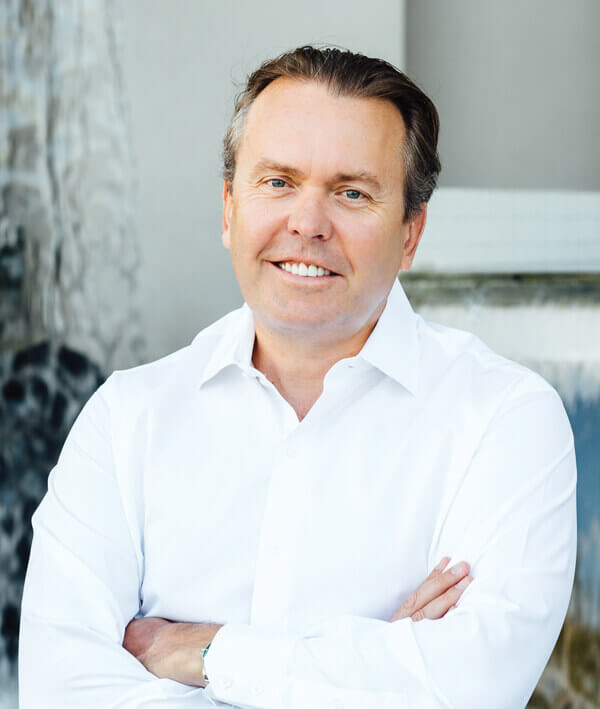
Trinity Investments
“We evolved our strategy about 10 years ago when we decided to become pure-play hospitality real estate investors,” he explained. “We focused on brand-managed, destination-oriented hotels—typically 400 rooms or larger—in markets like Florida, Texas, Arizona, Southern California and Hawaii. That discipline has served us well through COVID, inflation and today’s higher-rate environment.”
The firm targets assets that are not easy to replicate—properties with prime beachfront locations, expansive meeting space or unique positioning within a destination.
“There is no new supply at that scale in those markets,” Hehir said. “You’re not rebuilding something like the JW Marriott Marco Island or the Diplomat in South Florida. These are irreplaceable assets.”
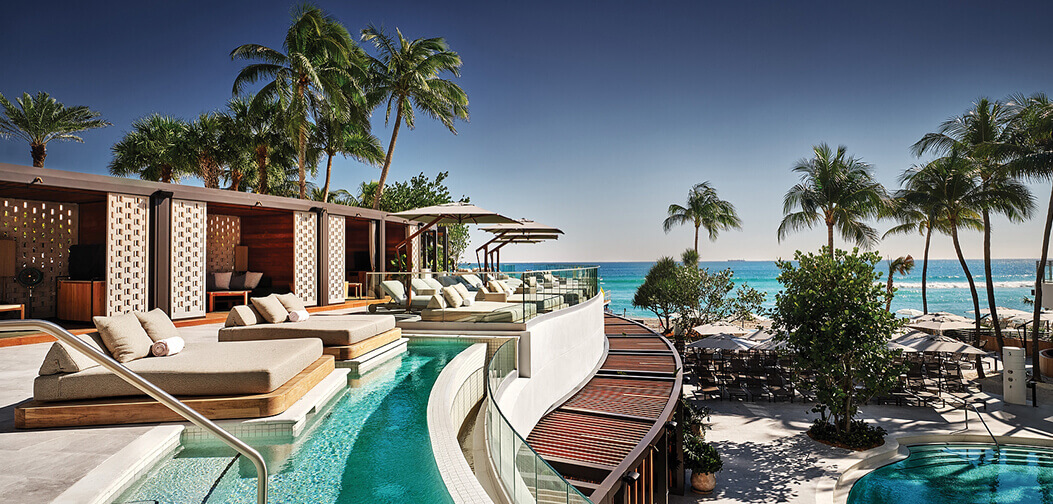
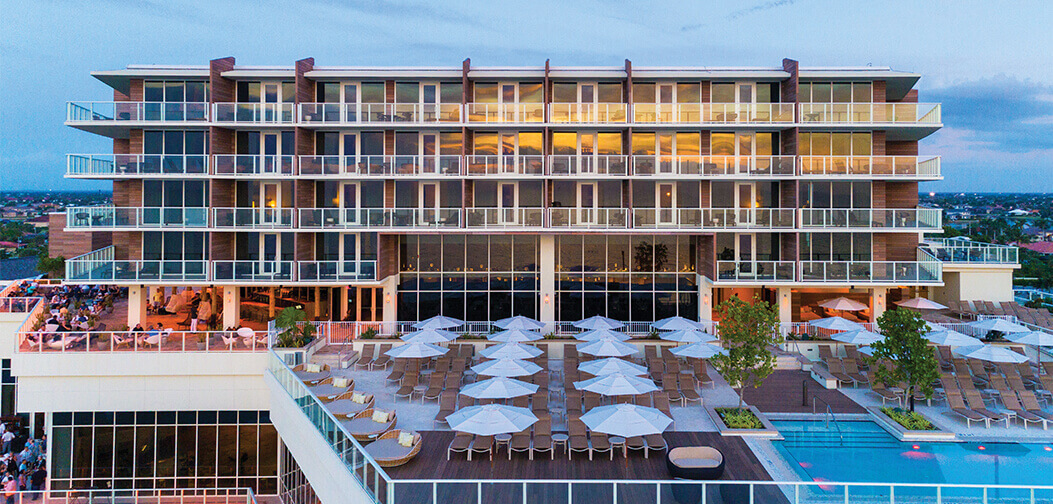
This focus has driven several of Trinity’s recent acquisitions, including the JW Marriott Marco Island Beach Resort and the Diplomat Beach Resort in Hollywood, FL, which has since been repositioned as the Signia by Hilton Diplomat Beach Resort.
Trinity’s investment strategy is not purely about acquisition—it is equally about transformation. The firm specializes in identifying under-renovated or under-optimized assets and executing comprehensive repositioning plans.
At the Diplomat, that meant a major overhaul of public spaces, food-and-beverage offerings and guest programming, alongside a strategic rebranding under Hilton’s Signia flag.
“When you buy a resort like the Diplomat, you need to cater to multiple customer segments—group, corporate and leisure,” Hehir said. “That requires creating bespoke experiences for each, whether that’s upgraded meeting spaces, enhanced leisure amenities or premium club offerings.”
Similarly, the Marco Island property is expected to undergo a significant renovation in partnership with institutional investor Sculptor Capital Management.
Unlike many real estate investment firms, Trinity operates as a hands-on general partner in all its deals. This operating model is supported by a growing in-house team of hospitality professionals, which has expanded from 20 employees at the onset of COVID-19 to nearly 50 today.
“There’s a direct correlation between input and output,” Hehir said. “Our asset managers all come from hospitality backgrounds. They understand the business and can engage with operators and brands from a place of expertise.”
The firm maintains a deliberately low ratio of asset managers to properties—typically no more than two to three assets per manager—ensuring a high level of oversight and operational engagement.
The company’s success is also closely tied to its relationships with brand partners, operators, lenders and institutional investors. The firm works extensively with major global hotel brands, including Hilton, Marriott, Hyatt, Accor and IHG, viewing these relationships as true partnerships rather than transactional arrangements.
“We are constantly evaluating who our counterparties are in every deal,” Hehir said. “This business evolves daily, and you need partners you can work through challenges with—whether that’s a market downturn or something like COVID.”
Reputation plays a central role in these relationships, he added, noting, “We spend a lifetime building reputations, and you can lose them overnight. Treating counterparties well is fundamental to how we operate.”
While Trinity’s core focus remains in the U.S. Sun Belt, the firm has been steadily expanding its international footprint. Three years ago, it opened a London office to pursue opportunities across Western Europe, led by partner Ryan Donn, managing partner/chief investment officer & head of Europe.
The European strategy mirrors the firm’s U.S. approach but adapts to regional differences in asset scale and market dynamics.
“In Europe, we’re still focused on destination-oriented, brand-managed hotels, but the size threshold is lower—often 100 rooms or more,” Hehir said. “Markets like the U.K., Ireland, Portugal, Spain, Greece and Switzerland are key areas of focus.”
Recent investments include assets in London, Spain and Zurich, where Trinity is applying its value-add strategy through renovations and operational enhancements.
“The Park Hyatt Zurich, which we bought from Hyatt, is really a destination unto itself,” he said. “ “It’s a great asset that we’re busy renovating.”
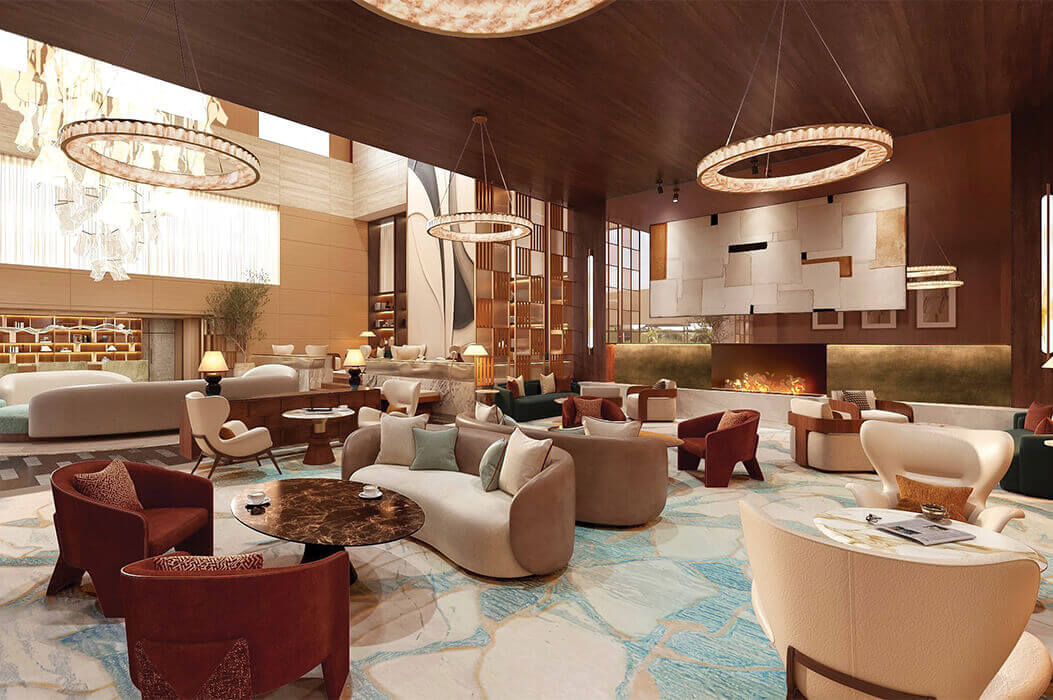
Importantly, the firm has built a dedicated European team to ensure that international expansion does not dilute its U.S. operations.
“It was critical that we create the same infrastructure overseas—asset management, finance, acquisitions—so that each region operates with the same level of focus and expertise,” Hehir said.
As traveler behavior continues to evolve, Trinity is also rethinking how its properties are designed and operated.
Hehir points to several key trends shaping investment and renovation decisions, including the continued rise of remote work, increased demand for experiential travel and the growing importance of wellness.
“People want unique experiences and spaces that feel tailored to them—everything from high-quality fitness facilities in prime locations to more dynamic in-room workspaces.”
The shift toward hybrid work has also influenced room design, with greater emphasis on flexible layouts that accommodate both leisure and productivity.
“Guests don’t want to sit at a desk with a bed in the background during a Zoom call,” Hehir said. “We’re designing rooms with multiple functional spaces to address that.”
Despite ongoing economic uncertainty, Hehir remains optimistic about the opportunities ahead. Rather than focusing on potential challenges, he sees continued growth driven by Trinity’s ability to attract talent, strengthen partnerships and execute its proven strategy.
“The opportunity is to keep building a world-class team and staying true to what we do best,” the Trinity CEO said. “There are still plenty of under-renovated, under-managed assets in the markets we target.”