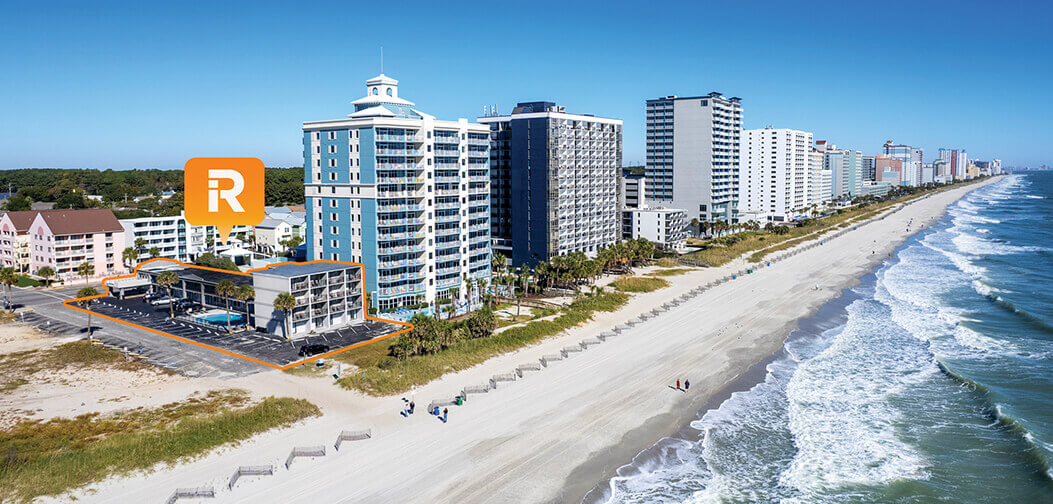
Online auction platforms are becoming an increasingly accepted tool for buying and selling hotels as owners look for faster transaction timelines, greater pricing transparency and access to a broader buyer pool.
Long associated with distressed assets and lender fire sales, hotel auctions are now being used for a wider range of properties, including stabilized and institutional-quality assets. Changing attitudes toward digital transactions, combined with evolving technology and market conditions, are helping reshape perceptions around the process.
“There was this idea that if an asset was in an auction, it was a fire sale or a difficult broken deal,” said Damian Smoter, managing director, RI Marketplace. “We’ve worked really hard to change that perception by bringing higher-quality assets to the market.”
Broader adoption of online business practices in recent years has also helped normalize digital real estate transactions.
“There were groups we talked to in 2017 and 2018 that said they would never buy through an online auction,” he said. “Now they’re comfortable doing everything virtually, and that acceptance has trickled down to transactions.”
One of the biggest advantages of the auction model, according to Smoter, is the ability to create broad competition among buyers. Unlike many traditional hotel sales processes, where access can be limited to select investors or established relationships, online auction platforms can open opportunities to a wider range of qualified buyers.
That includes family offices, regional operators and ownership groups looking to expand into new markets.
“When you put a hotel into an auction platform, it gives everybody an equal opportunity to participate,” he said. “Groups will come from out of market because they’ve learned the market or want to expand their portfolio there, and those buyers may never have had access to the deal through a traditional process.”
The competitive nature of the format can also create pricing momentum. Auction platforms often use extended bidding windows that reset the clock when bids are placed near the closing deadline, allowing bidders to continue competing in real time.
According to Smoter, most bidding activity occurs during the final minutes of an auction. “We get 90% of the bids in the final 20 minutes,” he said. “That’s where you really see the market establish value in real time.”
He noted that bidding increments can also be adjusted during the process, moving from larger increases to smaller ones as pricing climbs. “You may start at $500,000 increments, then drop to $250,000 or $50,000,” he said. “At that point, buyers start saying, ‘I’m not going to lose this deal over $50,000.’”
The auction structure can also provide sellers with more certainty compared to traditional hotel transactions, where deals can spend months under contract before buyers renegotiate pricing or walk away during due diligence.
On many auction platforms, buyers complete their due diligence before they begin the bidding process, agree to non-negotiable purchase terms and provide non-refundable deposits immediately after the auction closes.
“You wake up the next morning knowing the exact price, the exact contract and the exact earnest money deposit,” Smoter said. “You don’t have to spend months going through due diligence and renegotiations.”
He pointed to a recent lender-driven hotel transaction that had initially gone under contract through a traditional sales process for roughly $8 million before the buyer reduced its offer by approximately $2 million during due diligence. After the property was moved to auction with a reserve price of about $6.5 million, the asset ultimately sold for approximately $9 million.
Smoter said transparency is another factor driving buyer interest. Auction platforms typically allow participants to see bidding activity in real time, removing some of the uncertainty that can accompany conventional negotiated transactions.
“The only person stopping you from winning that deal is you,” he said. “There’s no black box.”
While online transactions continue to gain traction, Smoter said it is extremely important to vet buyers. Participants are typically required to provide proof of funds, financing information and other qualifications before being approved to bid.
Tours are also encouraged, particularly because many auction sales eliminate post-auction due diligence periods. Even so, he estimated that most bidders now participate without touring properties in person, reflecting broader comfort with virtual transactions and digital information sharing.
Smoter said RI Marketplace is heavily investing in technology aimed at improving transparency and efficiency. The company is preparing to launch an updated website later this year featuring enhanced dashboards, expanded buyer tracking capabilities and AI-driven tools designed to assist brokers, buyers and sellers throughout the transaction process.
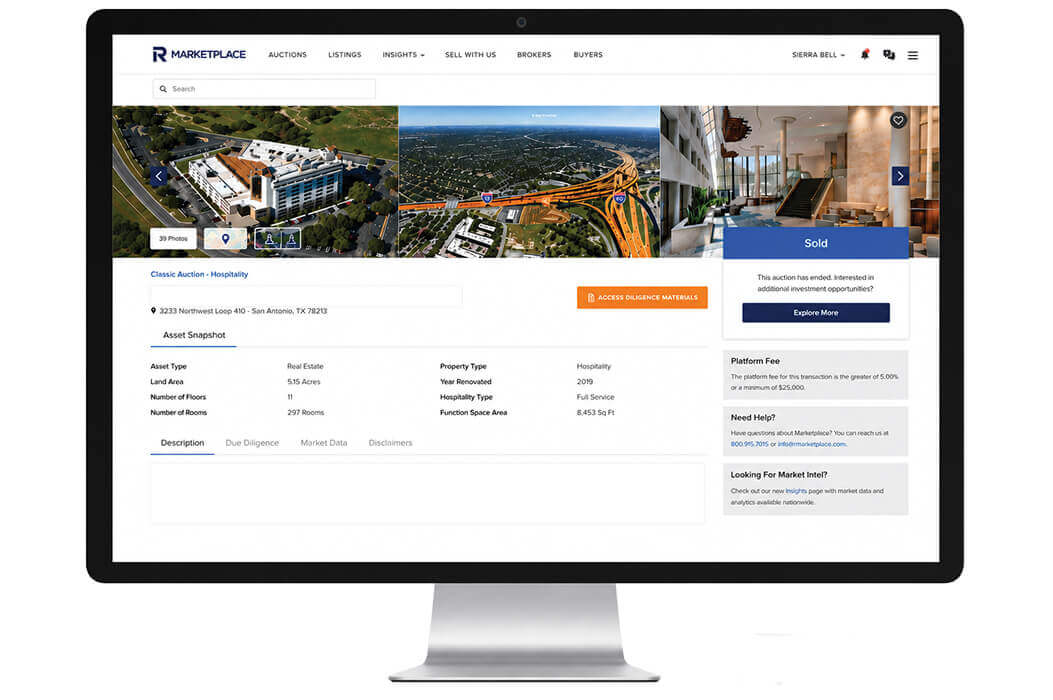
He said technology now allows platforms to aggregate buyer behavior and activity data in ways that were not possible several years ago.
The evolving role of brokers has also become an important part of the conversation surrounding hotel auctions. Some in the industry still view auctions as a fallback option when traditional marketing efforts fail, but Smoter said that perception is outdated.
“One common misconception is that if a broker is bringing a deal to auction, it means they failed,” he said. “In reality, it’s just another tool in the broker’s toolbox.”
Rather than replacing brokers, auction platforms often work alongside them throughout the process, helping market assets, qualify buyers and manage bidding activity.
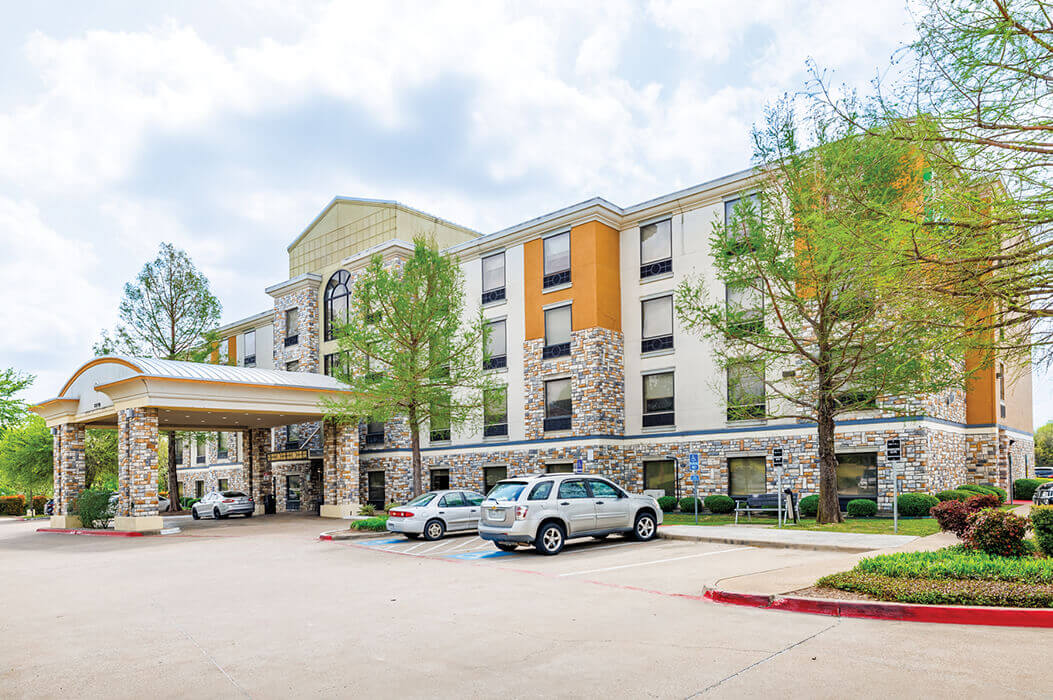
Hotel assets have become one of the strongest-performing categories for online auctions. According to Smoter, hotels represent the largest asset class on the RI Marketplace platform by transaction volume.
The model tends to work best for limited-service and select-service hotels in the roughly $4 million to $15 million range, where buyer pools are deepest and competition can be maximized. Smoter said properties valued below $50 million generally fit the model best because they attract a larger universe of qualified bidders.
“We always ask ourselves whether we can create enough competition,” he said. “That’s really what drives the success of the process.”
RI Marketplace sold 48 hotels last year, averaging more than 11,000 views per asset, 110 signed confidentiality agreements and roughly 15 bidders per deal.
According to Smoter, those transactions averaged just under 110% of reserve price.