

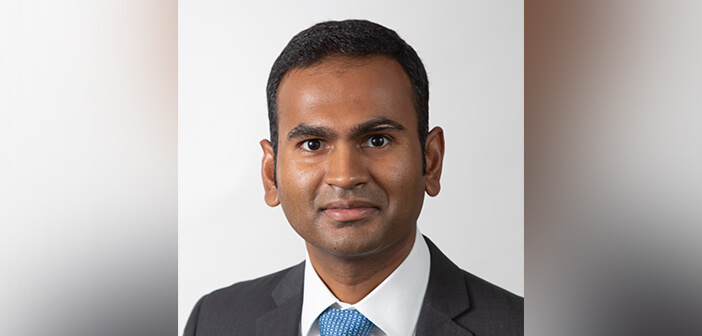
The brand landscape is constantly changing, with new flags being introduced and more properties in the pipeline. Hotel Business spoke to Larry Cuculic, president/CEO, BWH Hotels; John Murray, president/CEO, Sonesta International Hotels Corporation; and Amit Sripathi, chief development officer, Wyndham Hotels & Resorts, to discuss how 2024 has gone and how their companies have found solutions to industry challenges.
—Adam Perkowsky
Has the year so far gone as expected for your company? Please explain why or why not.
Cuculic: At BWH Hotels, we are wrapping up a strong summer season and are confident about our performance for the remainder of the year. We continue to outperform the industry with a strong ADR across North America, which has increased year-over-year (YOY), indexing above 110. These results are particularly noteworthy using 2023 as the comparative year, which was a tremendously strong recovery year.
We continue to see incredible growth at bestwestern.com, up 6.2% compared to last year, with 43 consecutive months of YOY growth. Additionally, our loyalty program continues to grow, with more than 59 million members globally. We continue to exceed our guests’ expectations with an “Overall Experience” score of more than 80%.
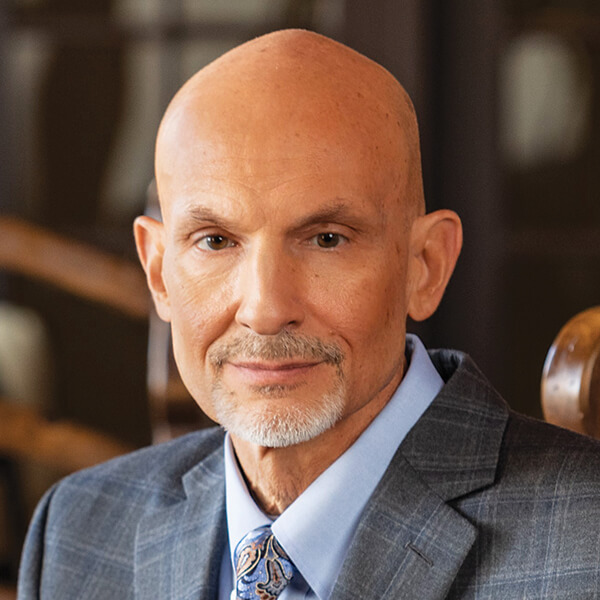
Larry Cuculic, BWH Hotels
On the development front, we are seeing significant growth across the entire BWH Hotels portfolio. We are proud to welcome new additions across the globe, such as The Loren at Lady Bird Lake in Austin to our WorldHotels Luxury collection and the Best Western Premier Ottoperla Hotel in Istanbul. Our commitment to innovation and excellence ensures that we continually enhance our offerings to meet the diverse needs of today’s travelers and developers.
Murray: The year has unfolded largely as anticipated for our company, driven by a robust strategy centered around growth and collaboration. We completed the integration of Sonesta and Red Lion—combining the websites and loyalty programs into a new and improved Sonesta Travel Pass Program. Additionally, a key highlight was our successful first global conference this May. Bringing together owners, operators, GMs and suppliers under one roof was a monumental milestone, allowing us to share our vision and reinforce our “One Sonesta” philosophy. This event fostered valuable connections and aligned our stakeholders with our growth objectives.
On the growth front, the year has exceeded expectations, with more new franchised hotel openings in the first half of 2024 than was added in all of 2023, demonstrating our unwavering commitment to expansion and excellence across our diverse brand portfolio. These rapid openings, alongside an equally strong pipeline, underscore our ability to quickly and seamlessly integrate new hotels into our portfolio. Our strategic growth plans and robust franchise support system have been crucial in driving these results, positioning us strongly for continued success throughout the year. The fact that we own and franchise aligns us well with the franchisee community.
Sripathi: We’ve had some exciting wins so far in 2024 that position Wyndham for continued growth. Globally, RevPAR performance continues to be strong, particularly in the EMEA and LATAM regions. While demand continues to normalize in first-to-recover markets in the U.S., such as beach and mountain destinations like California and Florida, oil and gas markets like Texas continue to see strong growth.
At the end of the second quarter, we saw the 16th consecutive quarter of sequential pipeline growth, grew our system of rooms by 4% YOY and opened more than 18,000 rooms—7,000 of which were in the U.S. Plus, our franchisee retention rate continues to increase.
We’ve launched new strategic partnerships with leaders like sbe to introduce Project HQ, part of our Registry Collection, and we’ve unveiled new brands like WaterWalk, which broadens our foothold in the booming extended-stay segment. We’re also opening hotels in new markets around the world, like our first Dolce in Turkey, the first Trademark in South Korea and the first ECHO Suites in the U.S. On the loyalty front, our Wyndham Rewards program—which today has approximately 110 million enrolled members worldwide—continues to deliver on its promise of simplicity and generosity, recently earning the title of Best Hotel Loyalty Program by readers of USA Today for the seventh consecutive year.
Financing and labor continue to be issues that are affecting the industry. How have you worked to help your franchisees deal with them?
Cuculic: Recognizing that financing impacts developers and hoteliers, we reasonably negotiate application contract terms that meet the needs of BWH Hotels (developing great hotels in great locations) and developers (such that the hotel is financially successful for the long term). Noting the cost of capital, we work closely with our hoteliers to ensure brand standards are reasonable and will result in returns on investment. Additionally, regarding hotel operating costs, our hoteliers recently voted on and passed initiatives that will allow us to leverage our significant buying power regarding breakfast offerings and operating supplies and equipment. These cost savings will drop directly down to our hoteliers’ bottom line.
While staffing matters have improved, retention remains the key strategy. To help our hoteliers and their hotel teams succeed, we work with top human resources partners to offer programs that enable hoteliers to cost-effectively take advantage of employee benefits and incentives. We have field-based regional service teams that work with each hotel individually to address its needs and concerns, and we offer strategic recommendations based on its business model and market.

John Murray, Sonesta Hotels Corporation
Murray: In order to help our owners, we provide cutting-edge sales strategies and training designed to help franchises manage increasing labor costs effectively. We are also constantly innovating labor-reducing practices within our managed portfolio to share with our franchisees. We offer a range of leadership and management training programs focused on enhancing employee retention and highly recommend all our franchises join the AHLA, which champions strong policy positions, combats excessive labor demands, provides valuable labor research and promotes our industry to attract top talent.
Sripathi: We believe in an owner-first approach to franchising. It’s about relationships and helping owners on their journey, wherever they may be. As the world’s largest hotel franchisor, we have scale and relationships that we can use to help set our owners up for success, and we tailor that support to fit the individual.
When it comes to financing, we have relationships with local and regional banks that we can put our owners in touch with. Those lenders have been more active in a post-pandemic environment, and we’re continuing to build those relationships so franchisees can tap into our network. Developers are also underwriting deals with an expectation that interest rates will drop. That’s a positive step for development, and our owners continue to see the long-term opportunity of getting in now while supply is low so they can capitalize on future demand and refinance once those rates drop. We have started to see more new construction activity, and while it continues to catch up to pre-pandemic levels, the increased activity is a promising sign.
Technology is another main focus for us, and we’ve invested nearly $325 million over the last six years. For owners, technology drives efficiency, and we’re providing solutions that didn’t always exist in the select-service space. Leaning into tools like mobile check-in or mobile tipping gives owners time back and allows them to work more efficiently with the staff that they do have while rewarding them for their good work. On the flip side, the guest experience is better with better technology. They are getting service quicker and we’re helping them to engage with staff more seamlessly.
What is your forecast for the rest of the year?
Cuculic: As we look towards the remainder of 2024, I am optimistic about the future of the resilient hotel industry. We anticipate that positive demand trends will continue, particularly in key tourist markets and popular destinations where travel is rebounding strongly. We will focus on capitalizing on this demand while remaining agile, responding proactively to changing conditions and continuing to deliver exceptional experiences to our guests. Key factors driving our outlook is the solid performance of our foundational brands and the robust recovery in luxury, upscale and boutique segments. We anticipate a sustained, strong performance. Consumers are prioritizing quality experiences, and our properties are well-positioned to meet these demands.
In addition, we will be launching a new guest- messaging platform before the end of the year to increase hotel efficiency when connecting with guests and upselling services that generate hotel top-line revenue. Sustainability and ESG initiatives are also central to our strategy, reflecting a growing emphasis across the industry on environmental and social responsibility. As part of BWH Hotels’ Earth, People, Community (EPC) initiative, we have partnered with Green Key Global as our preferred partner of certification for sustainable hotel operations in North America, with all our properties around the world required to achieve sustainability certification.
Murray: Our forecast for the rest of the year is optimistic and driven by our commitment to be a respected leader in the hospitality industry, rather than simply the largest. At Sonesta, we prioritize brand integrity, employee satisfaction and customer loyalty, and we believe these core principles will continue to guide our growth.
As we move into the second half of the year, our outlook remains strong, bolstered by significant investments and strategic initiatives. In 2023 and 2024, more than $500 million has been invested to renovate Sonesta’s managed hotels, which will not only enhance our properties but also strengthen our brand presence in key markets.
Our growth strategy is focused on expanding Sonesta’s presence across various market segments through strategic franchising and brand expansion. We are deliberately choosing the right partnerships and locations to ensure that our growth aligns with our brand values. In addition to domestic growth, we are looking to further extend our reach internationally, with plans to expand more into markets such as Canada, Latin America, the Middle East, and into Europe and Asia.
Our approach to growth is rooted in our seamless conversion processes, clear product differentiation and market segmentation. These core pillars have enabled us to scale rapidly and offer turnkey growth opportunities for our owners. As a newer brand to franchising, we also have the advantage of market availability, allowing us to enter new markets quickly and effectively. As one of the few hotel franchisors that also owns and manages its hotels, franchisees are attracted to our aligned interests and fair treatment.
Sripathi: People want to travel, especially the everyday traveler. They have flexibility to work remotely, are looking for immersive experiences over materials and don’t want to break the bank. Wyndham caters to that guest, and we’re continuing to evolve to meet them where they want to be across our 25 brands.
On the development side, conversion opportunities are healthy, and we’re starting to see new construction pick back up. There’s a lot of room to grow there, and as interest rates do normalize, that trend will continue. Extended-stay remains a priority for us, particularly as the historical infrastructure investments in the U.S. continue to be deployed. And while our bread and butter continues to be our iconic economy and midscale brands, there’s an opportunity to expand the upper end of our portfolio—adding more upscale and lifestyle destinations in higher fee per available room markets.
