As hotel dining continues its resurgence, Kimpton Hotels & Restaurants has released its 2026 Culinary + Cocktail Trend Forecast, offering a window into how food and beverage are shaping the guest experience, loyalty and differentiation across the hospitality industry.
The annual report, informed by Kimpton’s global network of chefs and bartenders, arrives at a moment when hotel restaurants and bars are once again becoming destinations. For Katherine Wojcik, director, programs & partnerships, IHG Hotels & Resorts, that shift reflects a deeper truth about how guests connect with hotels today.
“The rise of the hotel restaurant is back,” Wojcik said. “Food and drink are the most tangible and emotional touchpoints a guest has with a place, and they become a big part of what people remember from a stay.”
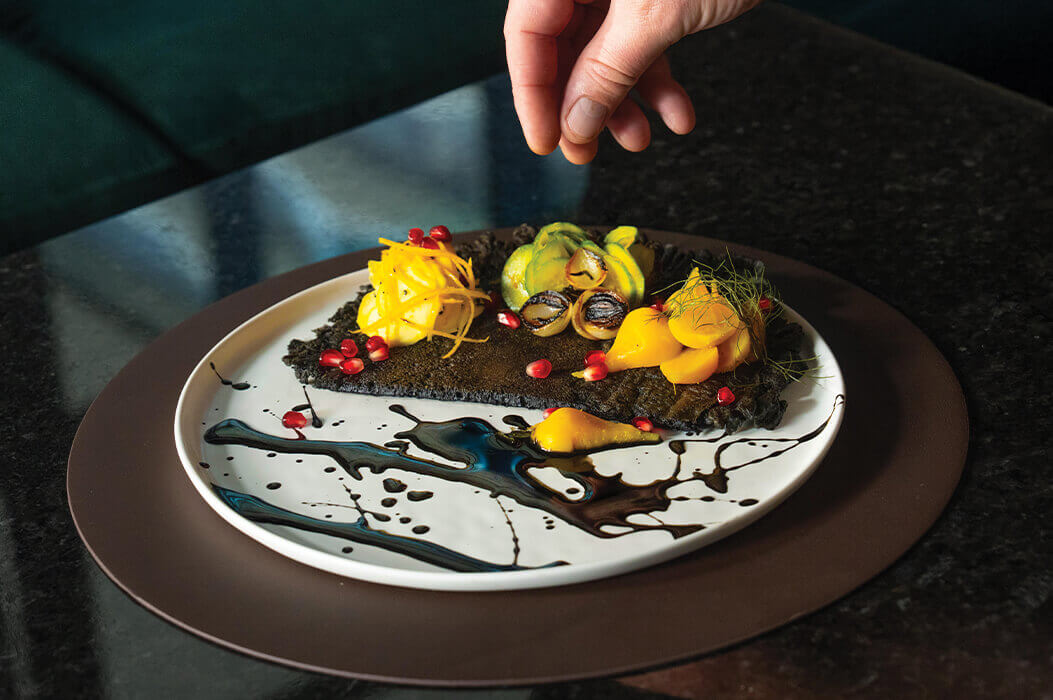

Wojcik said Kimpton views dining as more than a functional amenity for overnight guests. Instead, restaurants and bars are designed as spaces for discovery, connection and relevance, whether guests are visiting a new city or locals are looking for a familiar hangout.
“We’re in the hotel business, but we’re also in the business of serving our locals,” she said. “Being locally loved is critical. Locals create the energy, the vibe and often help shape the direction of the restaurant.”
That balance between hotel guests and community patrons can play a key role in the success of food and beverage concepts. An active local following, Wojcik noted, brings life to a space and reinforces its position as part of the neighborhood rather than an isolated hotel outlet.
One of the central themes of the 2026 forecast is the idea that menus have evolved into storytelling platforms. Wojcik described menus as extensions of Kimpton’s broader brand narrative, where every ingredient and technique reflects intentional choices.
“Every menu is an opportunity to express a sense of place, culture or a chef’s personal point of view,” she said. “Those personal perspectives are part of Kimpton’s DNA, and they’re what make menus feel compelling rather than generic.”

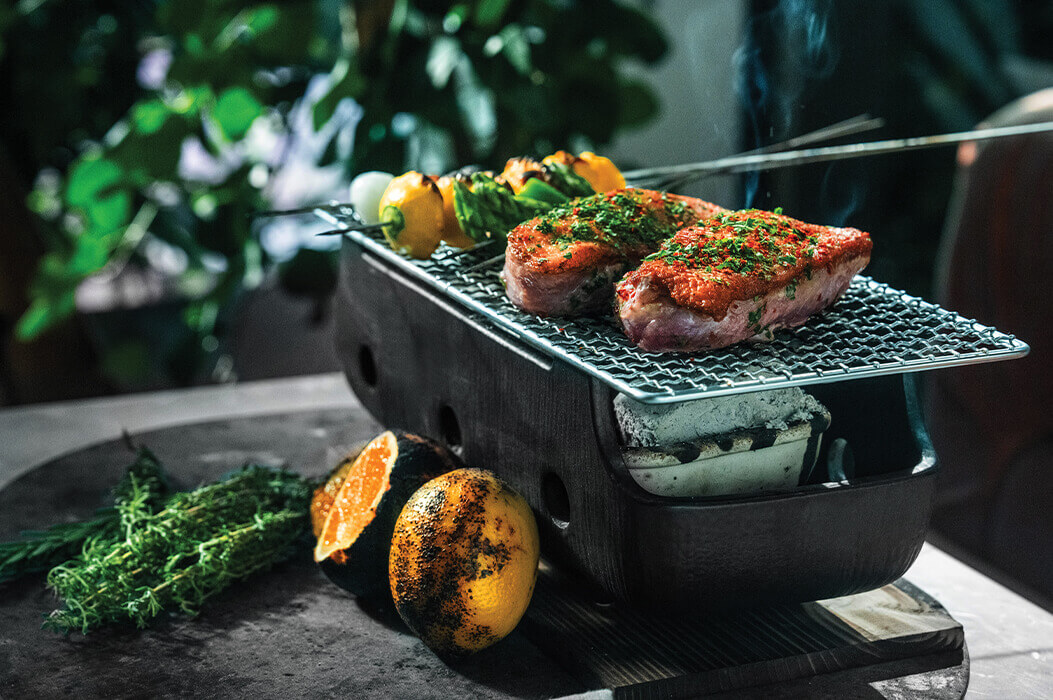
That sense of storytelling does not require a literal connection to geography. An Italian concept in a non-Italian market, for example, can still convey authenticity through technique, flavor and philosophy, even if it is not rooted in local sourcing.
While the forecast highlights a wide range of emerging culinary and cocktail trends, Wojcik cautioned against adopting ideas simply because they are popular. She drew a clear distinction between trends and fads, noting that relevance depends on alignment with the restaurant’s identity, audience and location.
“Putting a trend on a menu just to say you have it doesn’t serve the guest or the team,” she said. “Trends should be interpreted, not copied, and they should never feel forced.”
That interpretation, she added, must come from chefs and operators who believe in what they are creating. Authenticity shows through when teams lead with passion and knowledge rather than reacting to external pressure.
Kimpton’s trend forecasting process is intentionally built from the bottom up. Wojcik said the company gathers input from chefs, bartenders and food and beverage leaders across regions, combining those insights with broader research into consumer behavior and dining trends beyond hotels.
“It’s a lot of work, but it ensures the insights are diverse, culturally informed and practical,” she said. “They’re not coming from just one team or one market.”
That global lens allows Kimpton to identify patterns while recognizing that not every trend applies everywhere, particularly when ingredient availability or local preferences differ.
Many of the 2026 trends center on heritage and third-culture cuisine, which she said resonate because they reflect real stories tied to migration, identity and lived experience. Guests are increasingly drawn to food that feels personal and meaningful, especially as travel introduces them to new flavors they want to revisit later.

Texture and multisensory elements also appear across both culinary and beverage trends. According to Wojcik, guests are seeking experiences that engage more than taste alone, incorporating aroma, sound and visual presentation into dining.
“It becomes active participation,” she said. “It’s not simply about eating or drinking, but also really experiencing it.”
As food & beverage programs grow more sophisticated, Wojcik said hotels must evaluate innovation carefully. New techniques and technologies should enhance flavor, wellness or storytelling, rather than distract from the guest experience.
“The best programs balance creativity with clarity,” she said. “Innovation should feel approachable, not intimidating.”
Operational considerations such as sourcing, training, scalability and guest understanding are equally important. Wojcik noted that unfamiliar ingredients are more successful when paired with familiar flavors and clearly described on menus.
Looking ahead to 2026, Wojcik said food and beverage will continue to play a central role in guest loyalty as rooms and amenities become more standardized across brands.
“If you focus on creating the best menu items in the city and constantly staying fresh, you give guests a reason to return,” she said. “In the end, guests remember how a place made them feel, and strong restaurant and bar programs have the power to create memories worth coming back for.”