

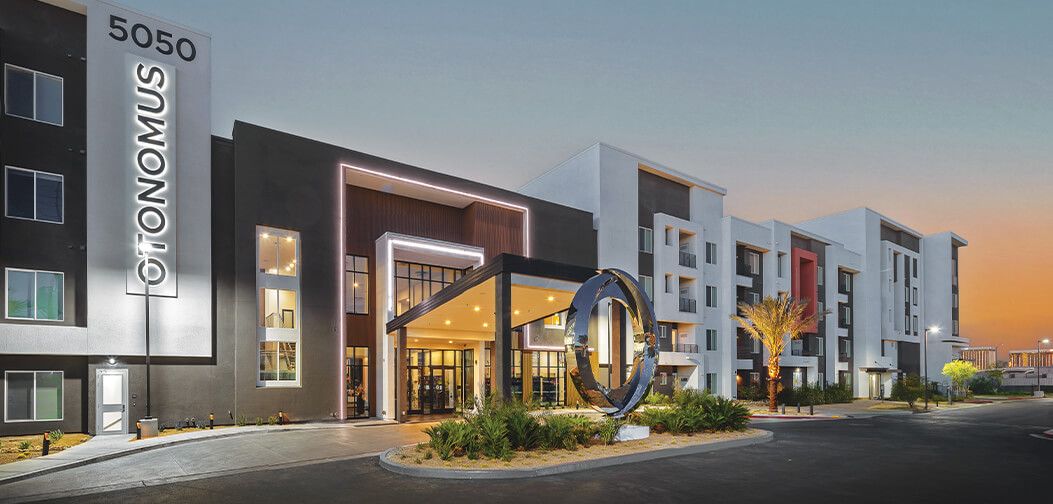
As AI continues to reshape industries worldwide, one hotel brand is placing the technology at the very core of its operating model. Otonomus Hotels, which describes itself as the world’s first AI-powered hotel brand, is using a proprietary technology ecosystem to transform everything from how guests book their stay to how the property runs behind the scenes.
At the heart of the concept is the belief that technology should make the hotel experience more intuitive and personalized, not more complicated.
“For us, AI-powered means the hotel is designed to think ahead for the guest,” said Philippe Ziade, founder/CEO, Growth Holdings, parent company of Otonomus Hotels. “It means using intelligent technology to make the stay more seamless, personalized and efficient from booking to checkout.”
The word Otonomus, he noted, was inspired by the idea of autonomy. “I wanted a name that reflected freedom, independence and control because that is what today’s traveler values,” he said. “We intentionally spelled it in a distinctive way to make it feel ownable, modern and brand-defining.”
Unlike traditional hotels, where multiple disconnected systems handle reservations, operations and guest communication, Otonomus Hotels developed a single integrated platform that connects every aspect of the property.
“We built the technology—the O Brain and FIRO, our PMS—to function as one connected ecosystem,” Ziade said. “Our system manages the experience through one intelligent solution, creating a more efficient operating model for the asset and a more seamless experience for the guest.”
Steve Escalante, president, global business development, Growth Holdings, called O Brain the “central nervous system” of an Otonomus Hotel, adding, “Guests interact with the platform through an interface called KEE, while back-of-house teams use another interface called O Pulse for housekeeping, work orders and operational tasks. Everything connects to the same data system.”
For guests, that technology translates into a more personalized and flexible stay. Otonomus Hotels uses attribute-based booking, allowing travelers to select specific features and amenities during the reservation process instead of choosing from a handful of standardized room categories.
“Instead of forcing guests into a rigid, standardized booking path, we put them in the driver’s seat,” Ziade said. “Through attribute-based shopping, guests can choose the features and elements that matter most to them, creating a stay that feels more tailored and more aligned with how people want to travel today.”
The brand’s first property, Otonomus Hotel Las Vegas, which opened last July, includes 300 units arranged in a modular layout.

“It’s designed like an apartment complex with one-, two- and three-bedroom units, but we introduced a new concept—interconnecting multiple rooms across a floor,” said Escalante.
That configuration allows guests to book anywhere from a single bedroom to multi-room suites that can accommodate larger groups such as families, reunions or wedding parties.
The property includes a range of amenities designed to function as both a hotel and a lifestyle destination, with restaurants and a rooftop bar planned for the future. There’s also a residential component for long-term and midterm stays.
In the lobby, visitors are greeted by Otto, a multilingual robot concierge designed to engage with guests and provide hotel information.
”He speaks more than 50 languages and interacts with guests in a playful way,” said Martina Barbarian, VP, experience, brand & culture, Otonomus Hotels.
Otto, who is known as the chief vibes officer, even has a fictional backstory. “He came from England, went to Silicon Valley and is in Vegas now,” said Barbarian. “His whole character was developed by the marketing team.”
While the property focuses on technology, leadership was quick to point out that AI is meant to enhance hospitality rather than replace it.
“AI-powered does not mean less hospitality; it means better hospitality,” said Ziade. “It allows us to enhance the human experience by giving guests more convenience, more customization and more time to enjoy what matters most.”
Barbarian agrees that maintaining the human element remains essential. “Artificial intelligence has not taken over our business,” she said. “It simply adds another pathway for guests to experience the property more efficiently.”
In practice, the property still staffs its front desk and guest services teams to ensure that travelers who prefer a more traditional experience have that option.
“We typically have two or three team members at the front desk at all times because not every guest wants to use technology,” Barbarian said. “Some people prefer the traditional experience, and that’s perfectly normal.”
As the brand grows, Otonomus plans to bring the concept to additional markets and expand the reach of its technology platform. According to Escalante, the next project will be located in the Downtown Arts District of Las Vegas and designed for a denser urban footprint.
Long-term, the company sees its technology as a platform that other hotel owners could use as well. “Our goal is to allow independent hotels or boutique properties to plug into the O Brain system,” Escalante said. “That will allow them to benefit from the same operational efficiencies and AI capabilities.”
For Ziade, the broader ambition is to redefine how hospitality blends technology, flexibility and service. “The vision was to build a smarter hotel brand that feels adaptive, effortless and ahead of its time,” he said. “One where guests are empowered by technology, but still supported by thoughtful service and design.”
