

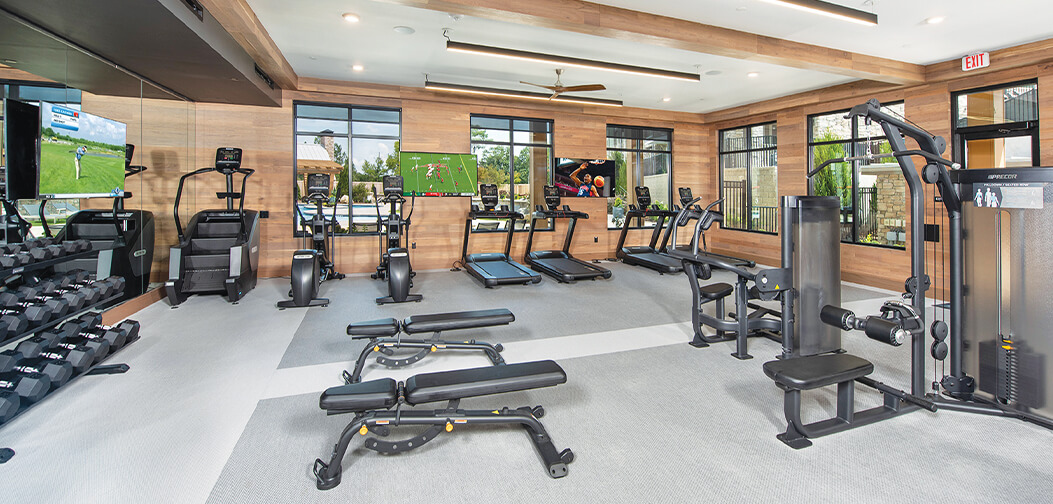
Fitness spaces are no longer being designed as standalone gyms, but as integrated wellness hubs that support movement, recovery and overall well-being.
According to Christine Watson, hospitality sales manager, Advantage Sport & Fitness, this shift reflects a fundamental change in what guests expect from hotel fitness offerings.
“Hotels are reimagining fitness spaces by creating more open environments that can accommodate functional training, mobility work and dedicated recovery areas,” she said. “Guests today are no longer looking for only a standard lineup of cardio machines and strength equipment. They now want the ability to maintain their real-life workout routines while traveling, and we are seeing designs that reflect this shift.”
Rather than isolating fitness rooms in back-of-house locations, hotels are placing them adjacent to spas, pools, outdoor spaces and relaxation lounges. Watson said this proximity is intentional, reinforcing a more holistic approach to wellness.
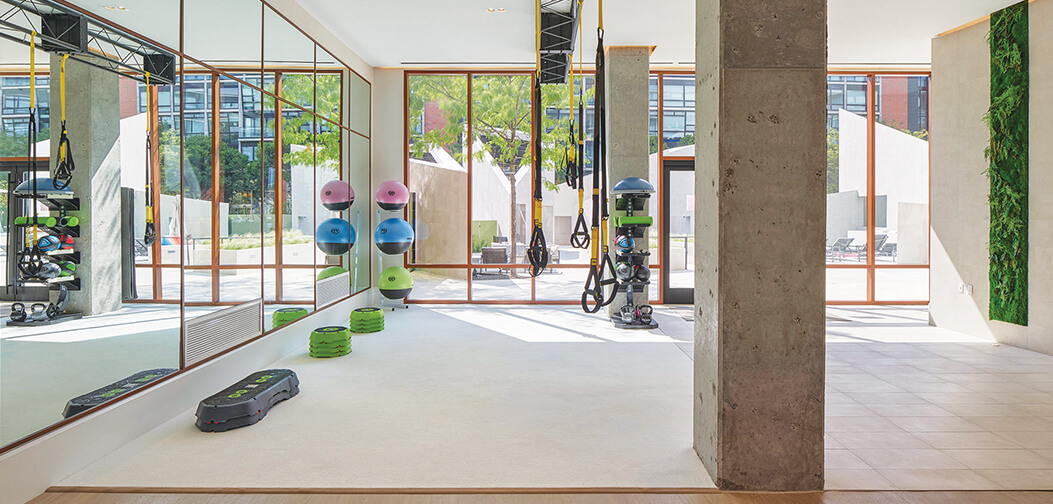
That connection is also driving demand for recovery-focused amenities that extend beyond traditional stretching areas. “We have seen increasing demand for recovery stations that go beyond traditional exercise mats and foam rollers,” Watson said.
At the same time, hotels are embracing hybrid digital fitness solutions that allow guests to engage with instructor-led workouts on their own schedules. Watson noted growing interest in “flexible fitness spaces featuring interactive, virtual instructor-led equipment,” including the Peloton Pro Series, such as the Bike+ Pro, Row+ Pro and the upcoming Tread+ Pro.
Pilates is also emerging as a key differentiator. “Your Reformer offers a Pilates reformer with a kiosk providing on-demand Reformer Pilates classes, allowing guests to follow individualized workouts at their convenience and fitness level,” Watson said.
These upgrades are not just about enhancing amenities—they are increasingly tied to guest satisfaction and revenue performance. Watson pointed to generational shifts as a major driver. “The leading and fastest-growing group booking hotels today are Millennials and Gen Z,” she said. “These travelers care more about wellness and fitness than previous generations and look for wellness-focused travel.”
According to Watson, these guests place a high priority on maintaining fitness routines while on the road, adding that hotels offering “functional training areas, recovery stations and interactive, virtual instructor-led equipment are seeing higher satisfaction scores and increased positive reviews.”
Social media has amplified the value of these investments. “With the continued influence of social media, these shareable fitness experiences drive greater guest engagement and enhance overall brand perception,” Watson said. “Altogether, this supports hotels in building brand recognition, commanding higher rates and driving revenue growth.”
As brands plan renovations and new developments for 2026, Watson encouraged hoteliers to rethink legacy fitness standards. “Hotels should continue to push themselves beyond the typical brand standards of the past and start to incorporate more than just rows of cardio machines,” she said. “There is still a strong need for more strength and functional training areas, as well as open spaces where guests can roll out an exercise mat to stretch, practice yoga or engage in bodyweight workouts.”
Flexibility remains central to future fitness design. “We encourage hotels to embrace flexible, multi-use spaces that can serve a variety of wellness purposes,” Watson said. These spaces may feature “virtual instructor-led cardio equipment, Pilates reformers and interactive fitness mirrors,” or function as recovery zones with “foam rollers, mobility tools and meditation areas.”
Location also plays a critical role. “Planning the location of the fitness space is important,” Watson said. “If possible, providing access to outdoor areas allows for yoga, meditation and other wellness activities.” She added that pairing fitness spaces with spas—and incorporating “infrared saunas and cold plunge pools”—can further enhance recovery and overall wellness.
Additional trends expected to gain momentum include dedicated Functional HIIT Hubs. Watson pointed to spaces equipped with “kettlebells, medicine balls, resistance bands, TRX suspension trainers and battle ropes, as well as recovery tools,” allowing guests to combine strength, cardi and mobility in one area.
Fitness is no longer a secondary amenity for today’s travelers—it is a central part of the hotel experience, shaped by flexibility, technology, recovery and a deeper understanding of how guests define wellness.
