Essex Hotel Management is entering a new phase of growth focused on strategic partnerships, thoughtful portfolio growth and preserving the company’s boutique, hands-on operating model.
That strategy is reflected in the company’s recent partnership with Larkin Hospitality, a family-run hotel owner, operator and developer.
“We were introduced to the Larkin organization by someone we both respected,” said Barbara Purvis, president, Essex Hotel Management. “They had a great portfolio and talented people, but they weren’t able to take it to the next level. We started in a consulting role and over time the relationship expanded.”
What began as a short-term assignment—reviewing operations, evaluating the team and making performance recommendations—eventually grew into the management company taking on a larger role overseeing multiple hotels.
“Over the next couple of years, we continued talking,” Purvis said. “It took time because they’re a family-run organization with a strong culture, and they didn’t want to disrupt what was already working. But, eventually, there was a sense of urgency that they needed to make a change.”
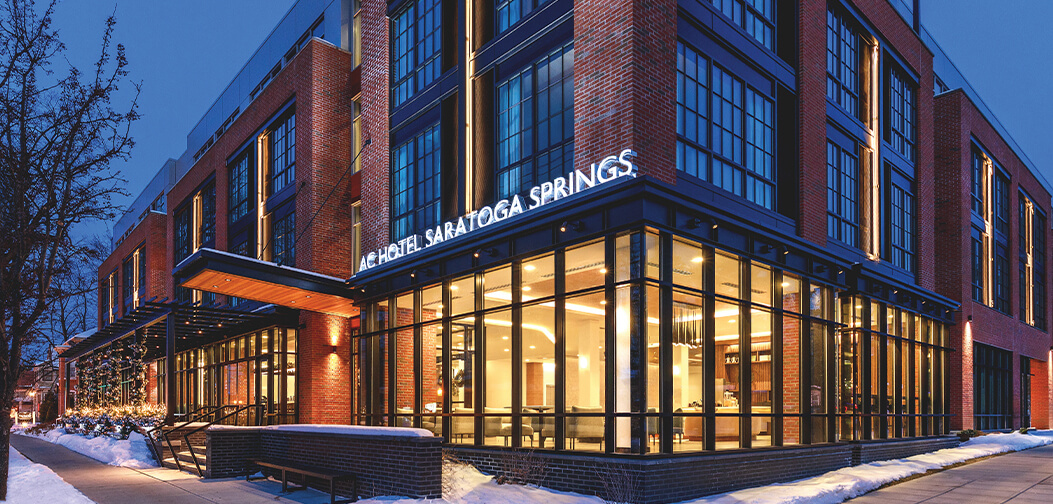
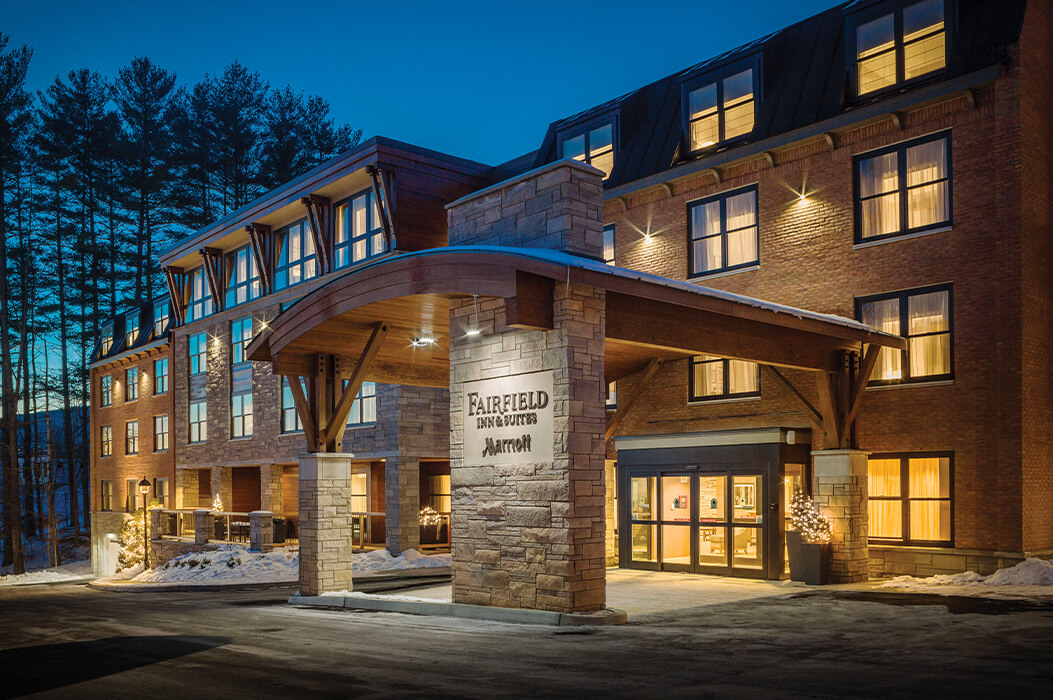
Today, Essex oversees six hotels as part of that relationship, including five in Vermont and the AC Hotel in Saratoga Springs, NY.
“The AC Hotel in Saratoga Springs is their first property of that magnitude and a slightly different operating model, so our experience in New York has been helpful,” said John Kattato, COO, Essex Hotel Management.
The Larkin partnership reflects Essex’s broader growth strategy—working with ownership groups that need operational structure and strategic support rather than simply adding hotels for scale.
“Our role was really to help fill gaps in their organization,” Kattato said. “We worked with them on building out their structure, overseeing operations and helping recruit staff to add depth and strength to their organization.”
That same philosophy is guiding Essex’s long-term growth plans. The company is targeting a portfolio of 20 to 25 hotels, a size leadership believes will allow the firm to maintain its culture while adding scale and opportunity for employees.
“A couple of years ago, we made a strategic decision to grow the portfolio in a thoughtful way,” said Purvis. “We’re a boutique management company and very hands-on, but we needed some additional scale to provide more structure and opportunities for our team members.”
To support that growth, the company created a new position—director of business development—and brought on Christopher Wietig, who had previously worked with Essex from the ownership side.
“It’s easy to sell something you believe in and have experienced as a customer,” said Weitig. “Essex has built a great organization, and I’m happy to be part of it. It’s also nice to be in an organization that wants to grow.”
Essex is currently pursuing acquisitions, third-party management opportunities and development projects, although Purvis noted that the current development environment requires patience.
“We’re talking with owners who want to grow their portfolios, but nothing is under contract yet,” she said. “We do have a development opportunity that has been moving at a glacial pace, but it looks like it might come together. Everything is taking longer and costing more right now.”
Geographically, Essex remains focused primarily on the East Coast of the U.S., where it can maintain its hands-on approach to operations.
“Our sweet spot right now is from New York and Vermont down to Florida,” Purvis said. “We evaluate each opportunity carefully and look at how easily we can get to a property because we want to be able to provide hands-on support and value to our owners.”
As Essex grows, leadership is also focused on succession planning and ensuring the company’s culture remains intact.
“We expanded ownership to our leadership team and other team members,” said Purvis. “We felt it was important to recognize everyone’s contributions and give owners confidence that we have a strong team in place for the future.”
Looking ahead, Essex expects to remain a boutique management company, but a larger and more structured one than it is today.
“In five years, we’ll still be a boutique firm delivering value to our owners, attracting and retaining talent and continuing to grow,” Purvis said. “This is not an easy industry and it’s going to get more challenging, but I believe our team will rise to that challenge.”
For Kattato, the company’s future will be defined not just by growth, but by choosing the right partners.
“It’s about continuing the legacy and turning that into additional opportunities through selective partnerships with ownership groups that align with how we operate,” the Essex executive said. “Growth is definitely the goal over the next five years, but it has to be the right partnerships—for us and for ownership.”